

.jpg)
The Integral Role of Project Management in Contract Breeding Services
The integrity of research relies on high-quality breeding, but many researchers find it impractical to breed and maintain colonies in-house for a variety of reasons, including limited resources for...

Creating a reliable heart failure model is not for the fainthearted
Heart failure is a major and escalating global public health problem with a prevalence of more than 5.8 million cases in the USA alone, and an additional 550,000 new diagnoses are made every year....

Considerations for creating a custom research model: Insight from a scientist
Genetically engineered models and research breakthroughs can have a vast impact on the development of life-changing treatments. Specifically, when compared to existing models, custom models can be...

Key considerations for non-human primate environmental enrichment
With animal welfare always a top priority at Inotiv, enrichment is considered part of a continuous improvement process that takes into account latest training, approaches, and methods to ensure...
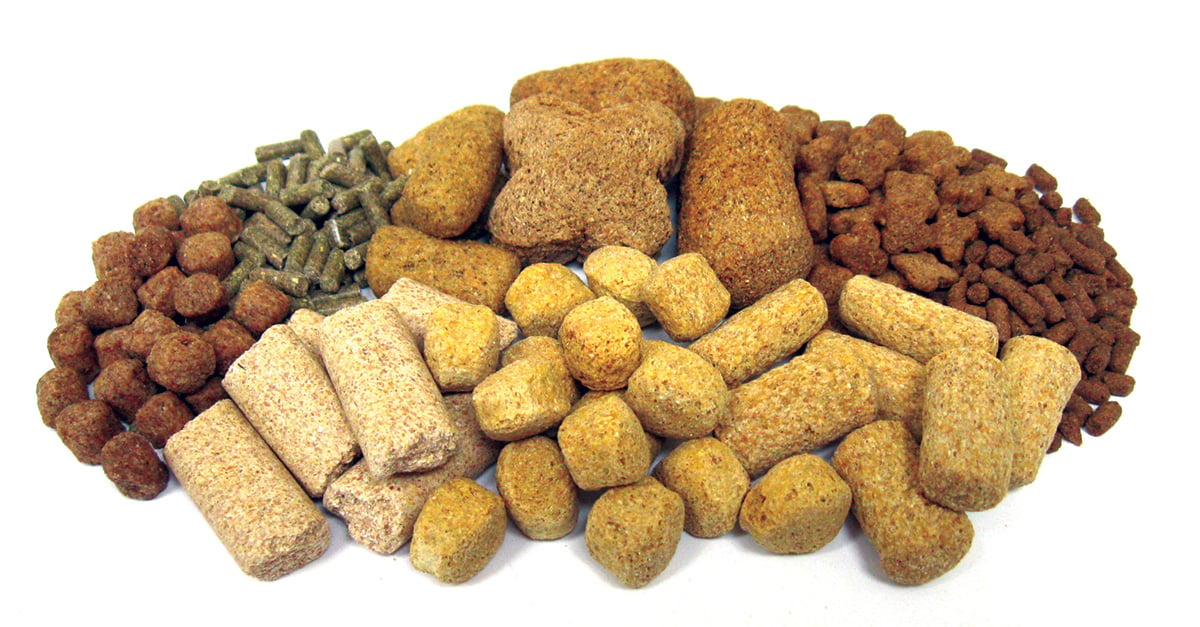
Choosing the right adjusted fiber diet for your animal model study
Researchers are often interested in the effects of fiber in their laboratory animal diet. As an example, the recent focus on the brain-gut connection in neurodegenerative conditions like Parkinson’s...

Key considerations for using preconditioned animals for research
Research on human diseases requires specialist animal cohorts. Preconditioned animal models are therefore critical for drug discovery and development. Preconditioning can refer to several factors,...

The B-NDG mouse model: A game-changing research tool
Immunodeficient mouse models are important tools across a range of biomedical research fields, including oncology, immunology, infectious disease, stem cell biology, and more. Their availability has...