


5 key research industry trends
Companies, businesses and research institutions dedicated to protecting and improving human, animal and plant life continue to make breakthroughs in understanding the nature of diseases that affect...

4 tips for developing a laboratory animal care training program
The quality of research and welfare of laboratory animals greatly depends on the competence of those caring for them humanely and responsibly. That is why a comprehensive training program is vital to...

Diet selection 101: Making informed decisions about lab animal diets
Diet continues to be an overlooked variable in experimental investigations, impacting reproduction, growth, and disease, as well as affecting the response to experimental manipulation in laboratory...

How can cryopreservation safeguard vulnerable model strains?
You’ve spent years building the ideal colony for your study – and have invested even more resources into maintaining it for future usage. Imagine that after investing time and money developing and...
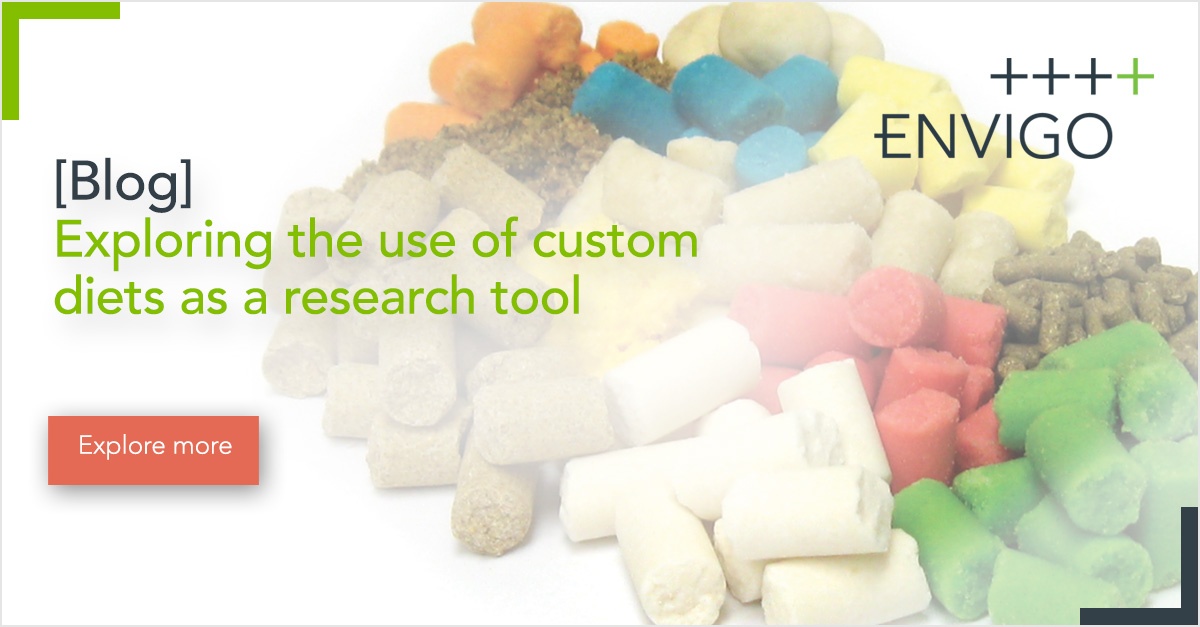
Exploring the use of custom diets as a research tool
A strategic custom diet can serve as a vital research tool. This post will discuss how custom lab animal diets are fed for a defined purpose, such as nutrient control, inducing disease, or as a...
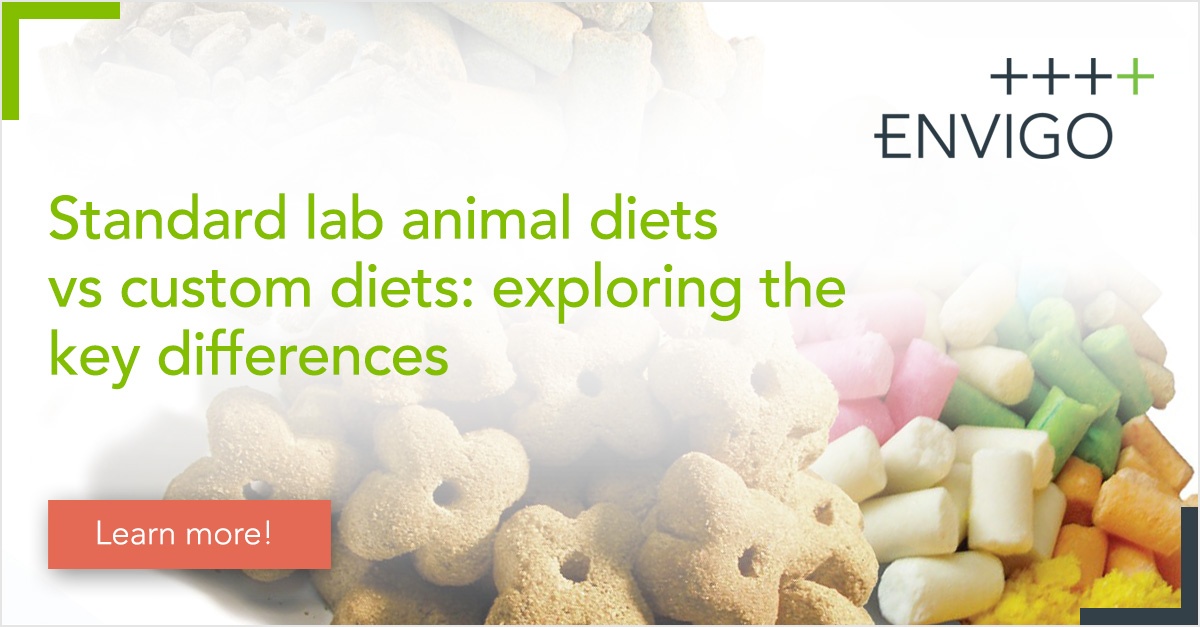
Standard lab animal diets vs. custom diets: exploring the key differences
Researchers today have a plethora of options to choose from when it comes to feeding laboratory animals. Let’s explore the differences between standard diets and custom laboratory animal diets.

The good, the bad and the ugly effects, of dietary phytoestrogen in laboratory animal diets
Soybean meal, a common ingredient in laboratory animal diets, contains variable levels of phytoestrogens. These plant-derived compounds mimic the structure and function of estrogens in mammals and...