


Rodents in research: Is 2020 the year of the lab rat?
Lab rats and mice have been used for decades to make great medical advances, from HIV antiretrovirals to the flu vaccine. But there’s always been an interesting debate about which is the more useful...

Care and husbandry for immunodeficient rodents: guidance to reduce risks in your research
Immunodeficient rodents can serve as a valuable part of basic research studies to help researchers better understand immune-related diseases and immune response. Use of these unique models have...

4 tips for developing a laboratory animal care training program
The quality of research and welfare of laboratory animals greatly depends on the competence of those caring for them humanely and responsibly. That is why a comprehensive training program is vital to...
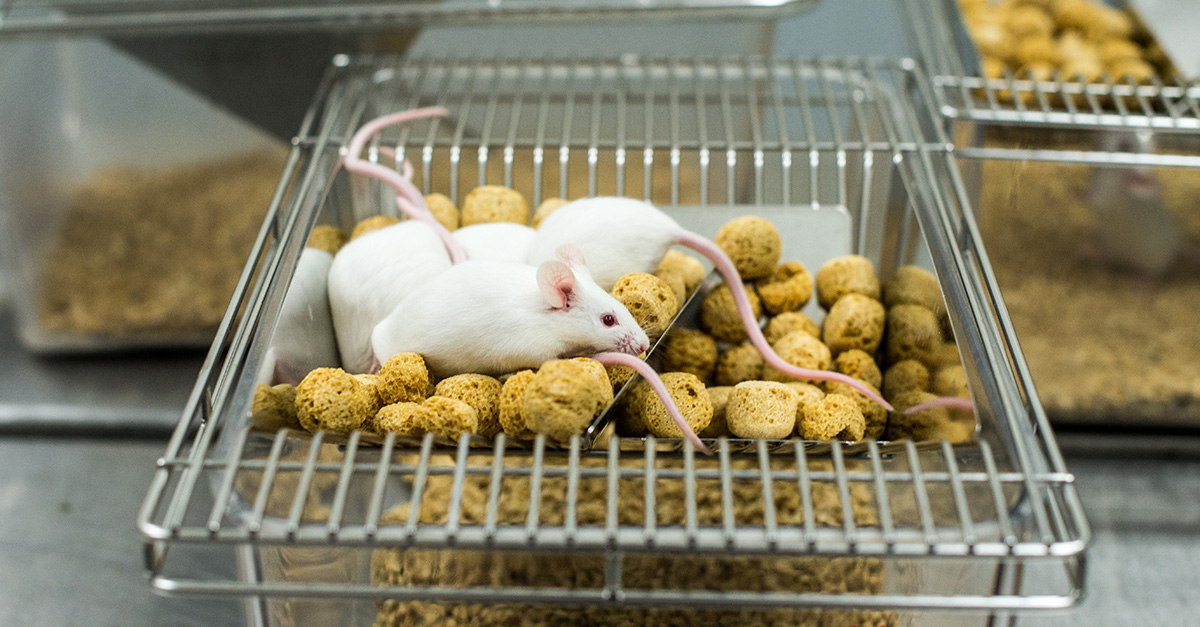
5 considerations for finding a model and running your diet induced obesity (DIO) study
Many diabetes and obesity research studies rely on diet induced obesity (DIO) models, but there are many options and considerations for maximizing the effectiveness of your study. Two Inotiv...

4 key animal research insights from AALAS 2018
The 69th American Association for Laboratory Animal Science (AALAS) National Meeting recently took place in Baltimore, Maryland. A forum for those dedicated to the humane care and treatment of...